
MobileGL trace replay
This directory builds a Linux command line replay runner for apitrace files. It is an integration testing infrastructure of MobileGL.
The bundled fixtures cover:
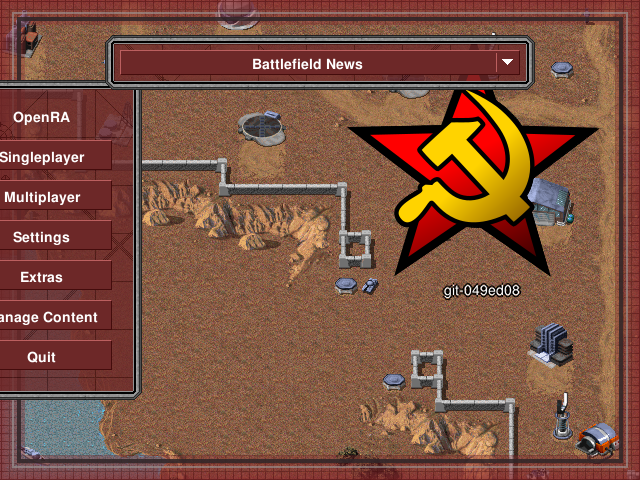
- OpenRA: sourced from GL4ES' apitrace corpus.
- minecraft-1.21.4-startup: captured from Minecraft 1.21.4's startup screen.

- minecraft-1.21.4-main-menu: captured from Minecraft 1.21.4's main menu.
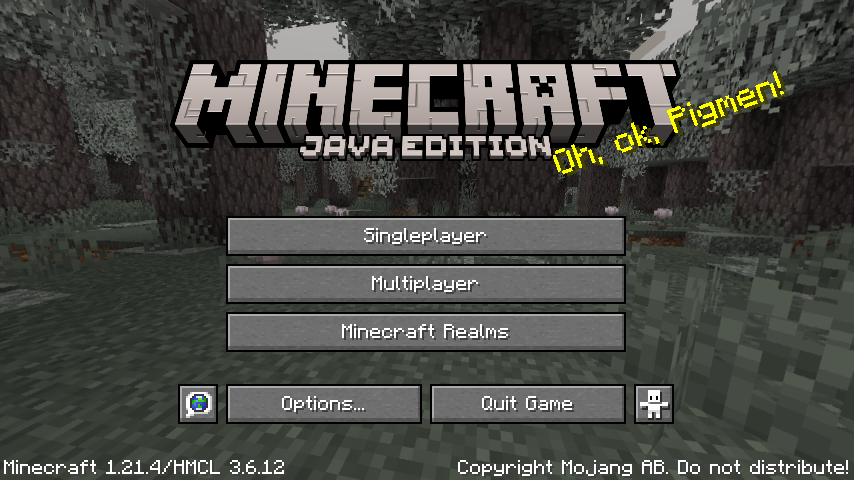
- minecraft-1.17-main-menu-854: captured from Minecraft 1.17's 854x480 main menu through FCL MobileGL capture.
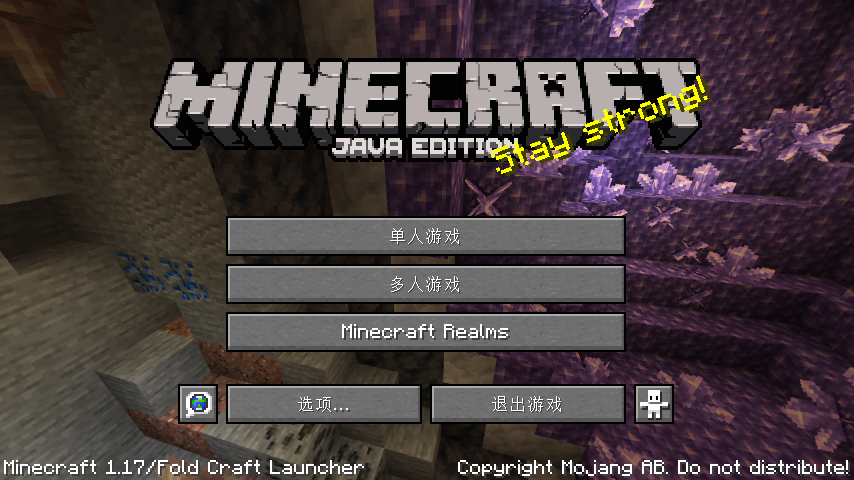
- minecraft-1.21.4-in-world: captured from Minecraft 1.21.4 after entering a singleplayer world.
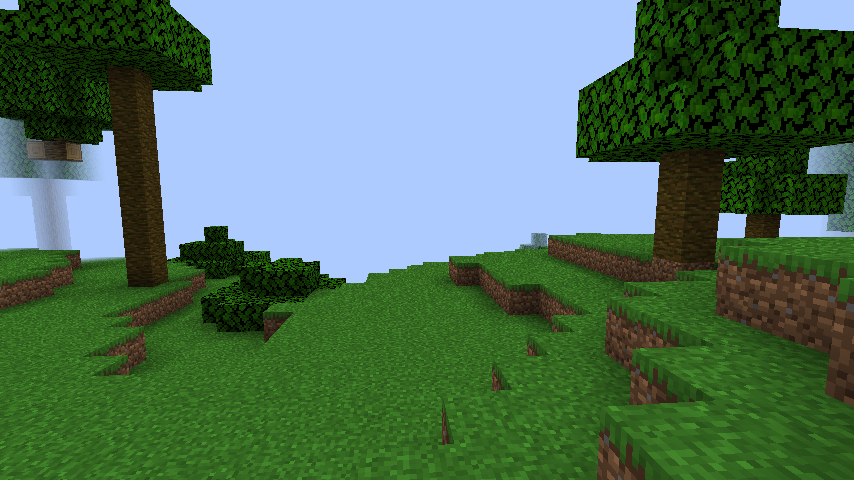
- minecraft-1.21.4-fabric-sodium-in-world: captured from Minecraft 1.21.4 Fabric with Sodium after entering a
singleplayer world with Fancy graphics.
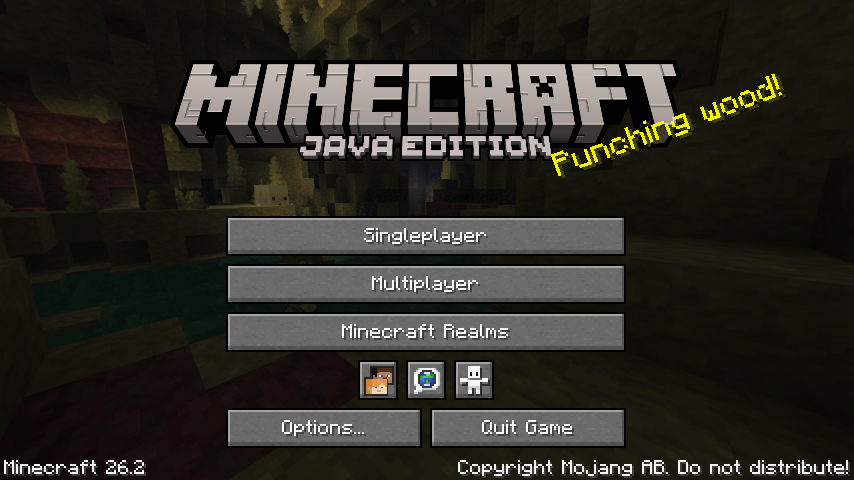
- minecraft-26.2-main-menu: captured from Minecraft 26.2's main menu.
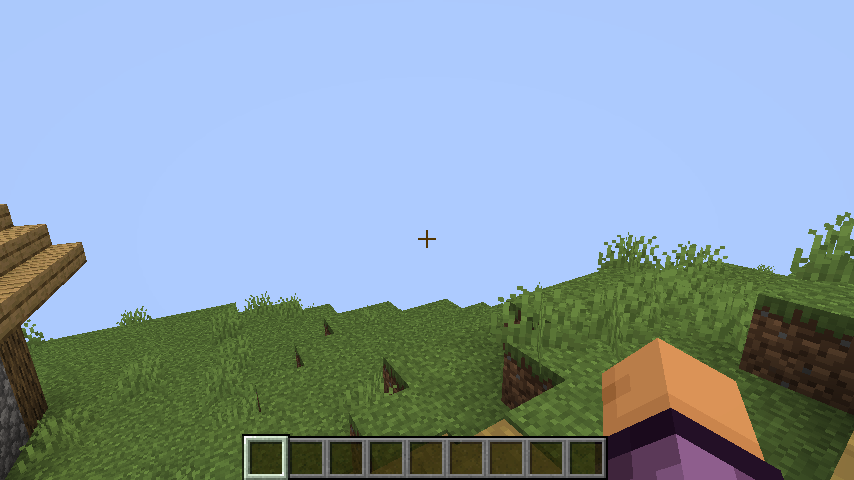
- minecraft-26.2-in-world: captured from Minecraft 26.2 after entering a normal singleplayer world.
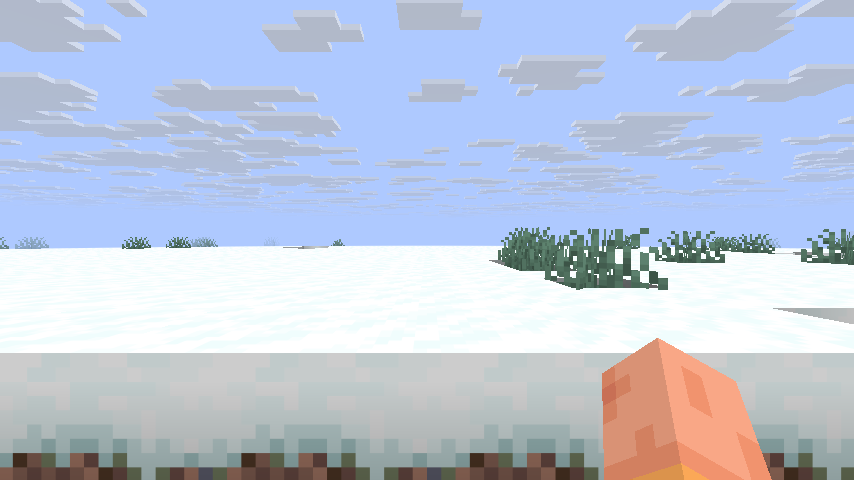
- improved-transparency-minecraft-26.3: captured from the Minecraft 26.3 improved-transparency scene.
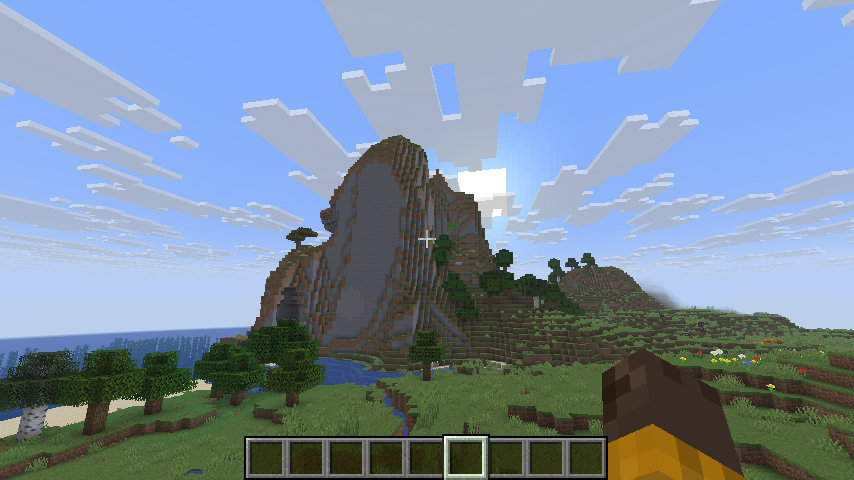
- minecraft-1.21.4-fabric-common-mods-in-world: captured from Minecraft 1.21.4 Fabric with Sodium, Iris, REI,
Xaero's Minimap, Xaero's World Map, JourneyMap, and Modern UI, with shader packs disabled.
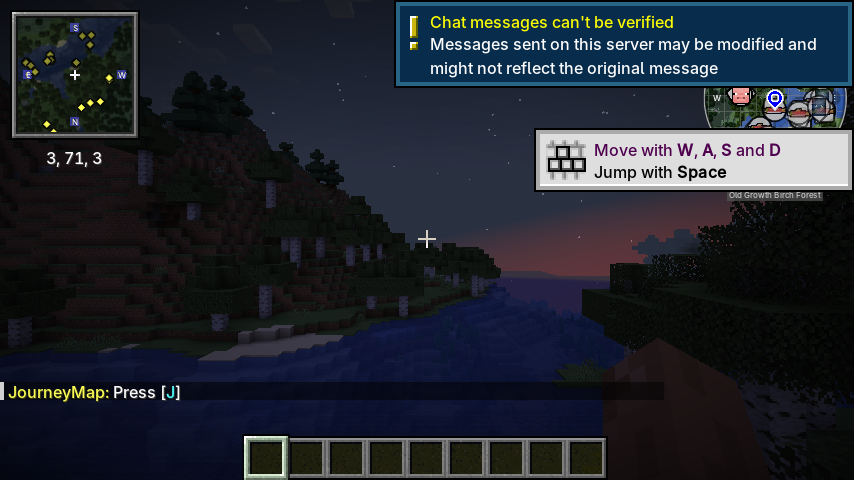
- minecraft-1.21.4-fabric-common-mods-inventory: captured from Minecraft 1.21.4 Fabric with Sodium, Iris, REI,
Xaero's Minimap, Xaero's World Map, JourneyMap, and Modern UI with the creative inventory and REI item list open.
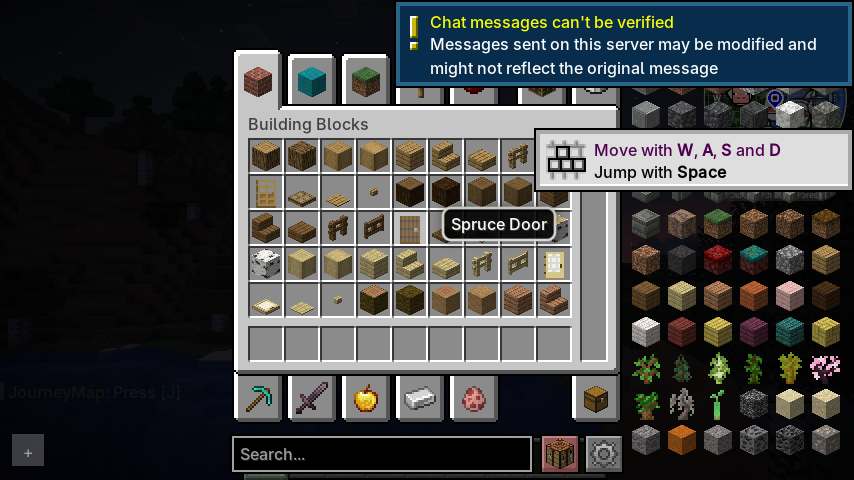
- minecraft-1.21.4-fabric-rei-inventory: captured from Minecraft 1.21.4 Fabric with Sodium, Iris, and REI, with
shader packs disabled and the creative inventory and REI item list open.
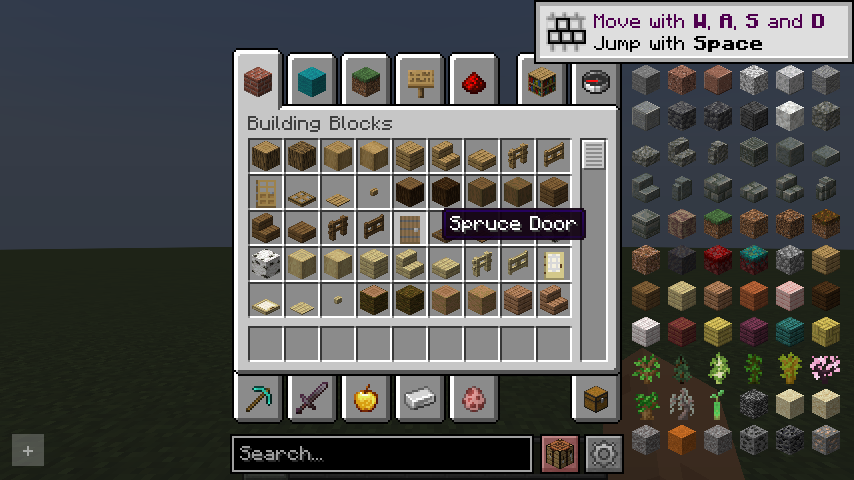
- minecraft-1.21.4-fabric-xaero-minimap-in-world: captured from Minecraft 1.21.4 Fabric with Sodium, Iris, and
Xaero's Minimap after entering a singleplayer world with shader packs disabled.
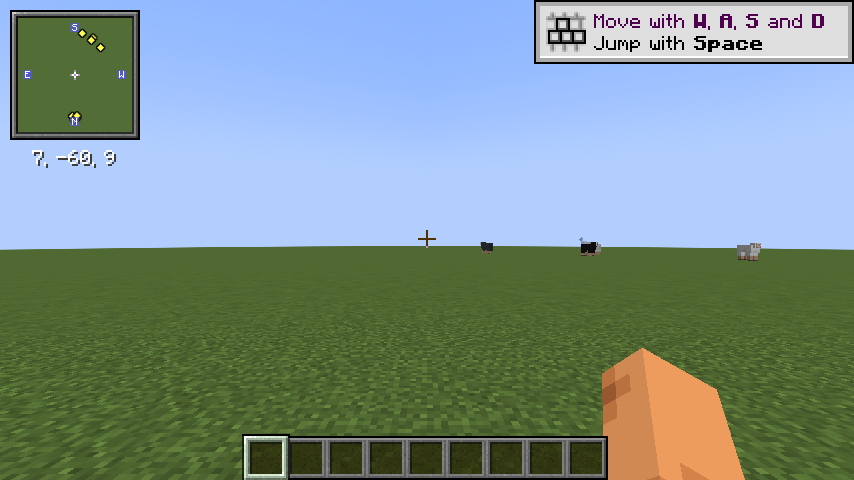
- minecraft-1.21.4-fabric-xaero-world-map-in-world: captured from Minecraft 1.21.4 Fabric with Sodium, Iris, and
Xaero's World Map, with shader packs disabled and the world map screen open.
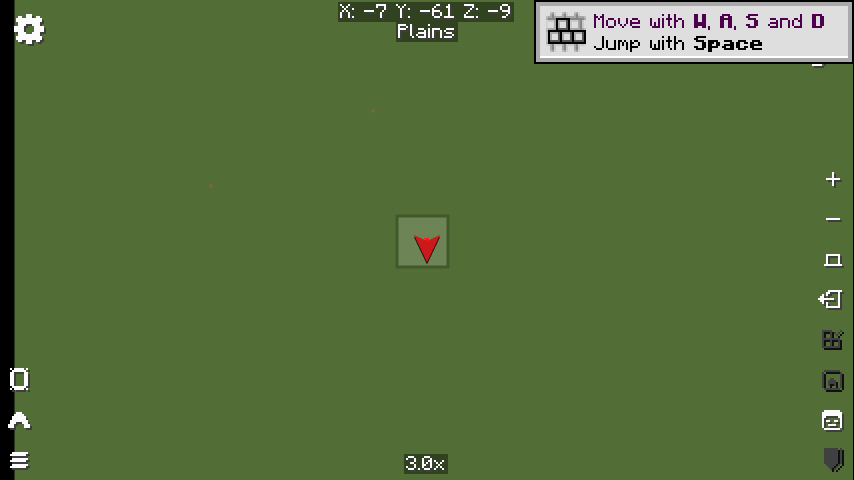
- minecraft-1.21.4-fabric-journeymap-in-world: captured from Minecraft 1.21.4 Fabric with Sodium, Iris, and
JourneyMap after entering a singleplayer world with shader packs disabled.
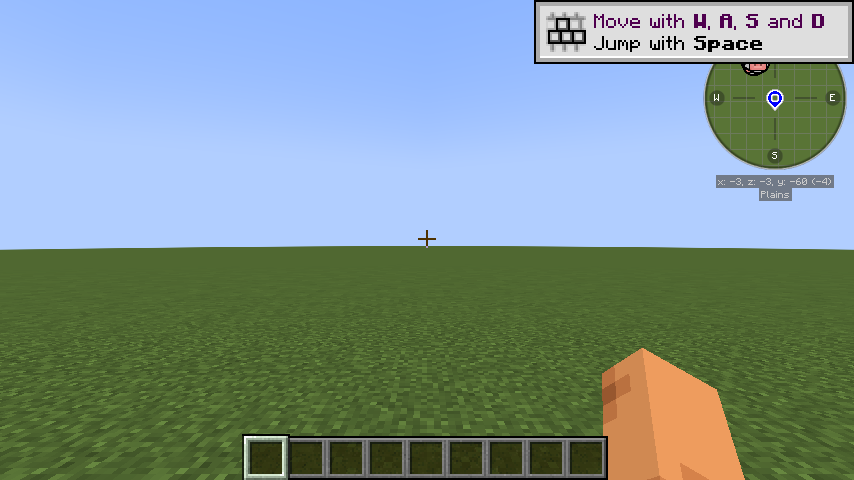
- minecraft-1.21.4-fabric-modernui-inventory: captured from Minecraft 1.21.4 Fabric with Sodium, Iris, and Modern UI,
with shader packs disabled and the creative inventory open.
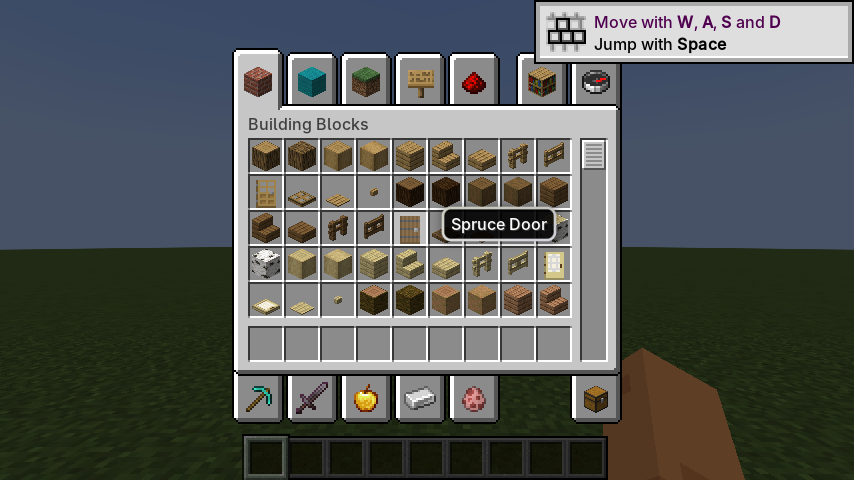
- minecraft-1.21.4-fabric-rei-inventory-normal-world: captured from Minecraft 1.21.4 Fabric with Sodium, Iris, and
REI in a normal singleplayer world, with shader packs disabled and the creative inventory and REI item list open.
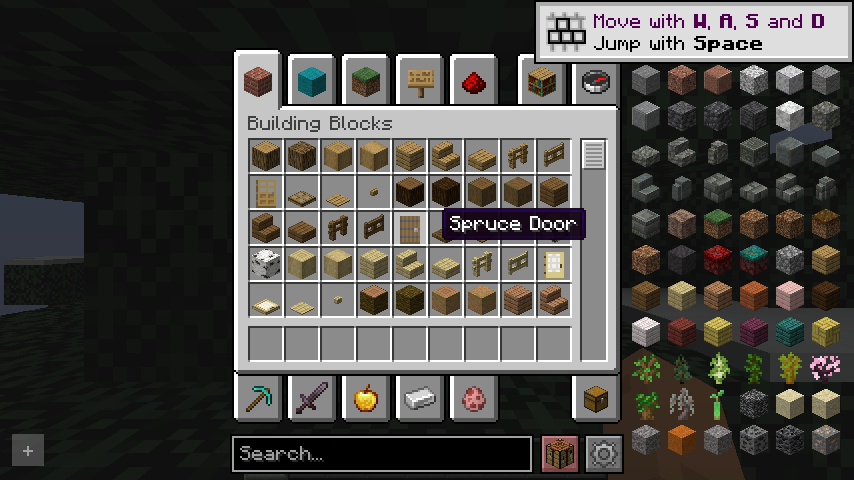
- minecraft-1.21.4-fabric-xaero-minimap-in-world-normal-world: captured from Minecraft 1.21.4 Fabric with Sodium,
Iris, and Xaero's Minimap after entering a normal singleplayer world with shader packs disabled.
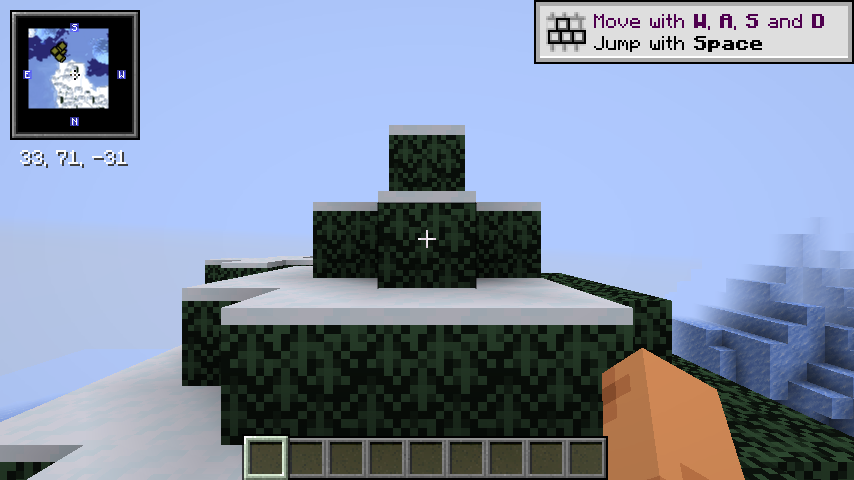
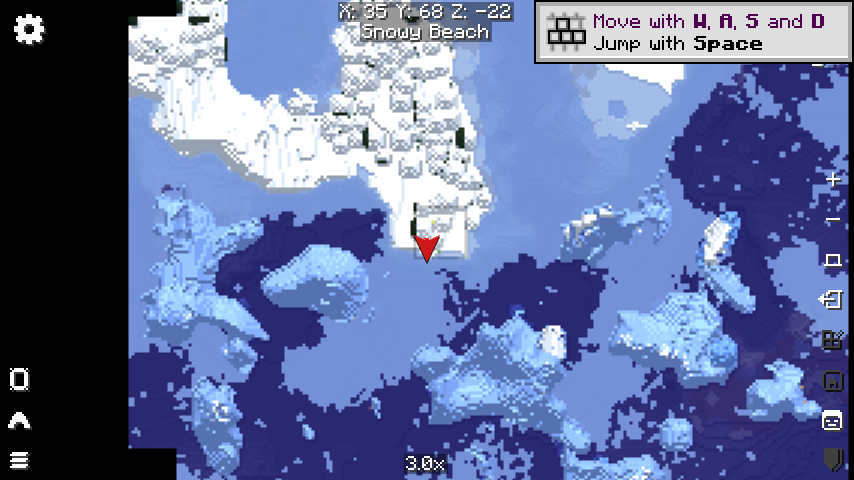
- minecraft-1.21.4-fabric-xaero-world-map-in-world-normal-world: captured from Minecraft 1.21.4 Fabric with Sodium,
Iris, and Xaero's World Map in a normal singleplayer world, with shader packs disabled and the world map screen open.
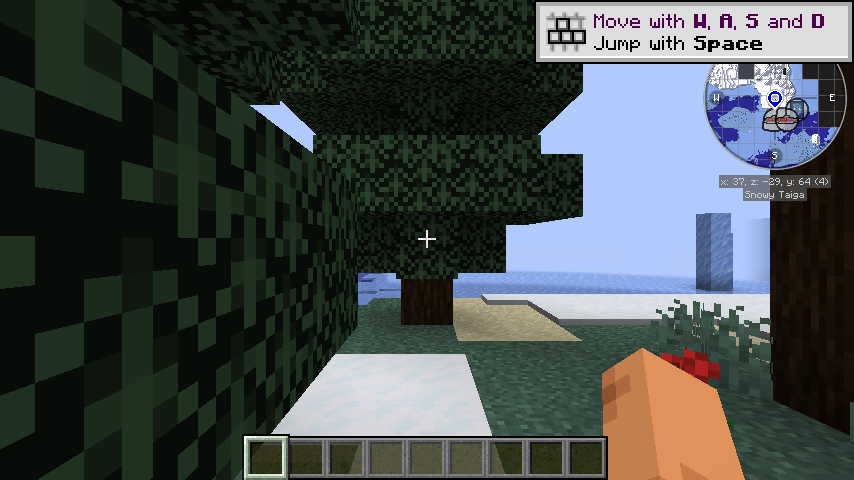
- minecraft-1.21.4-fabric-journeymap-in-world-normal-world: captured from Minecraft 1.21.4 Fabric with Sodium, Iris,
and JourneyMap after entering a normal singleplayer world with shader packs disabled.
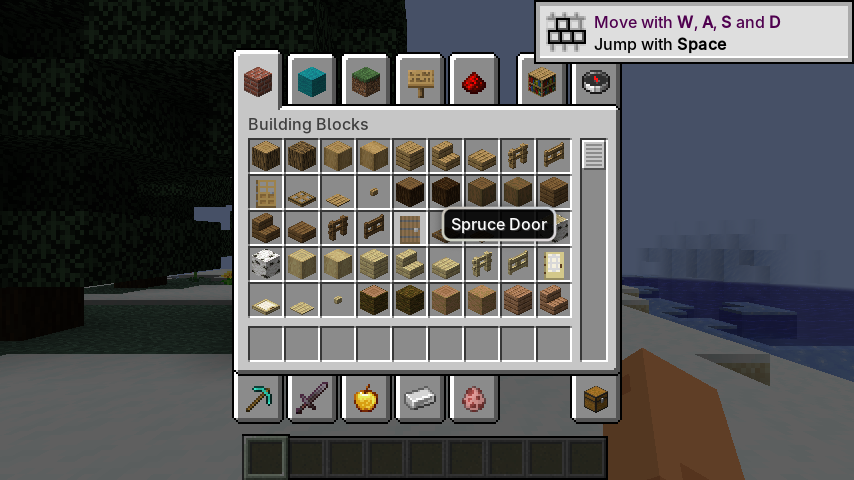
- minecraft-1.21.4-fabric-modernui-inventory-normal-world: captured from Minecraft 1.21.4 Fabric with Sodium, Iris,
and Modern UI in a normal singleplayer world, with shader packs disabled and the creative inventory open.
- minecraft-1.21.4-fabric-iris-bsl-in-world: captured from Minecraft 1.21.4 Fabric with Sodium, Iris, and BSL
Shaders after entering a singleplayer world.
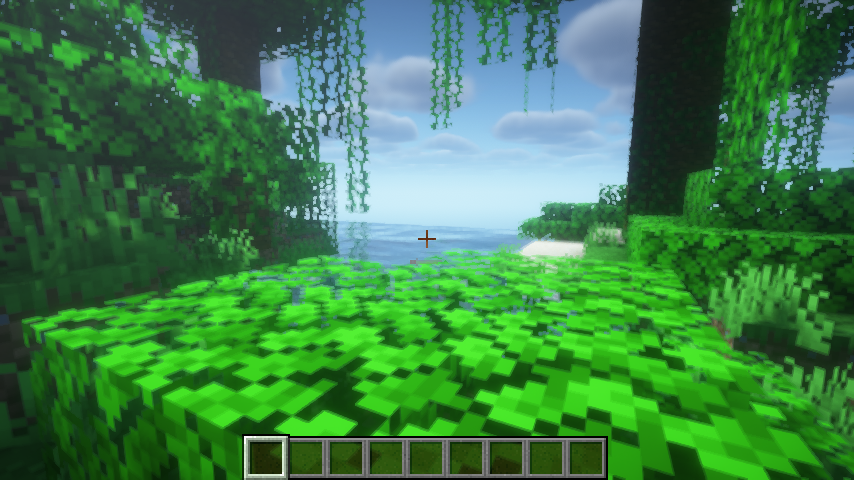
- minecraft-1.21.4-fabric-iris-bsl-esc-menu-854: captured on an Android device (Mali-G77, FCL MobileGL capture) from
Minecraft 1.21.4 Fabric with Sodium, Iris, and BSL Shaders, at the pause menu over a BSL-blurred world. The frame
pins glyph rendering: every menu label, the menu title and the tutorial toast must be present. Regressions in the
DirectGLES per-draw texture memo have made the whole text path disappear here while sprites kept rendering, so a
failure that leaves the buttons but empties them is the signature to look for in the diff.
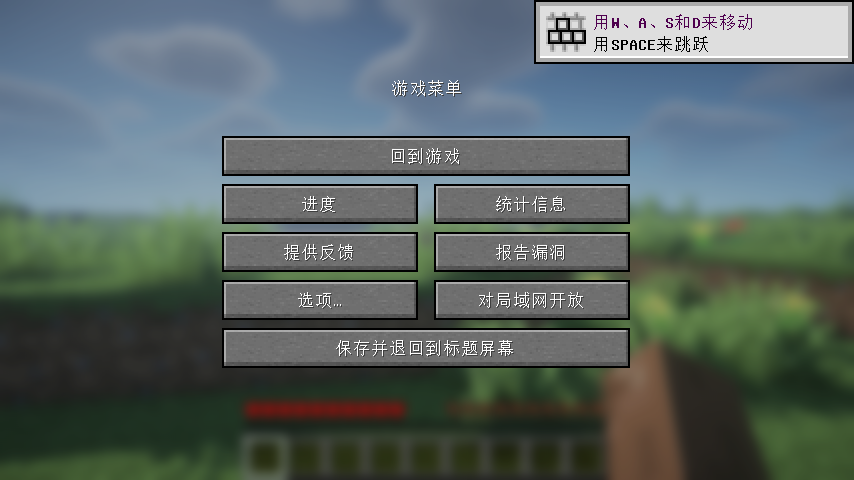
- minecraft-1.21.4-fabric-iris-makeup-ultrafast-in-world: captured from Minecraft 1.21.4 Fabric with Sodium, Iris, and
MakeUP UltraFast after entering a singleplayer world.
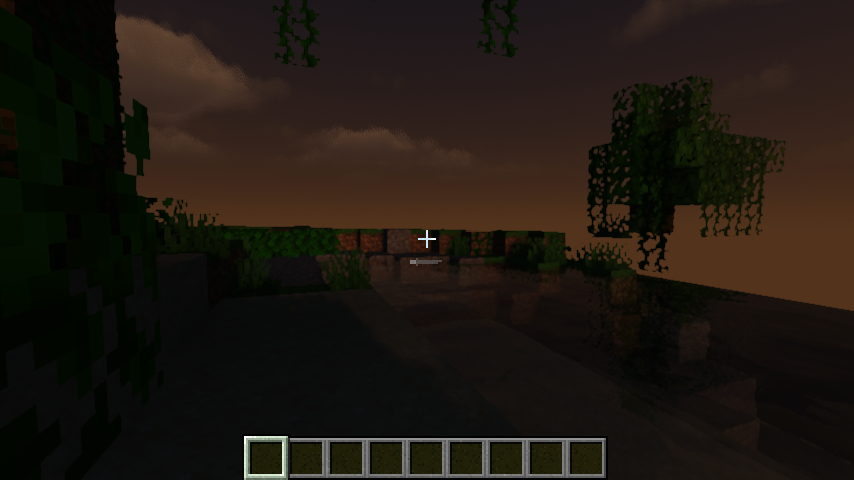
- minecraft-1.21.4-fabric-iris-super-duper-vanilla-in-world: captured from Minecraft 1.21.4 Fabric with Sodium, Iris,
and Super Duper Vanilla after entering a singleplayer world.
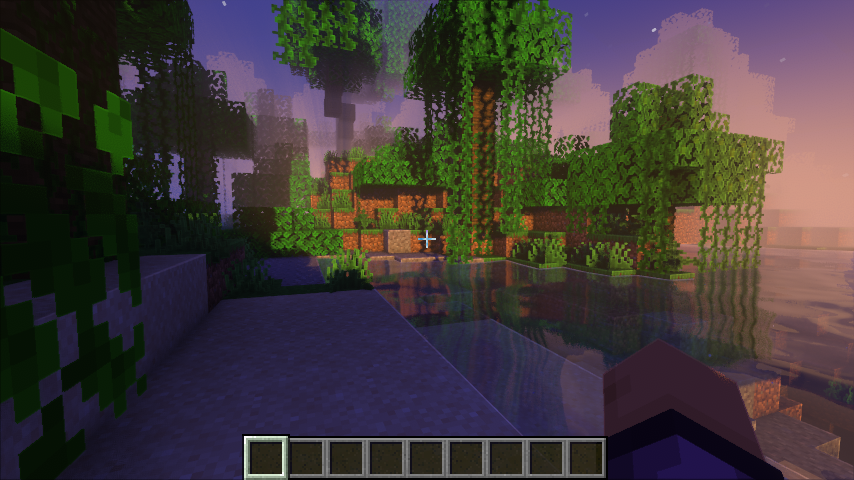
- minecraft-1.21.4-fabric-iris-complementary-reimagined-in-world: captured from Minecraft 1.21.4 Fabric with Sodium,
Iris, and Complementary Reimagined after entering a singleplayer world.
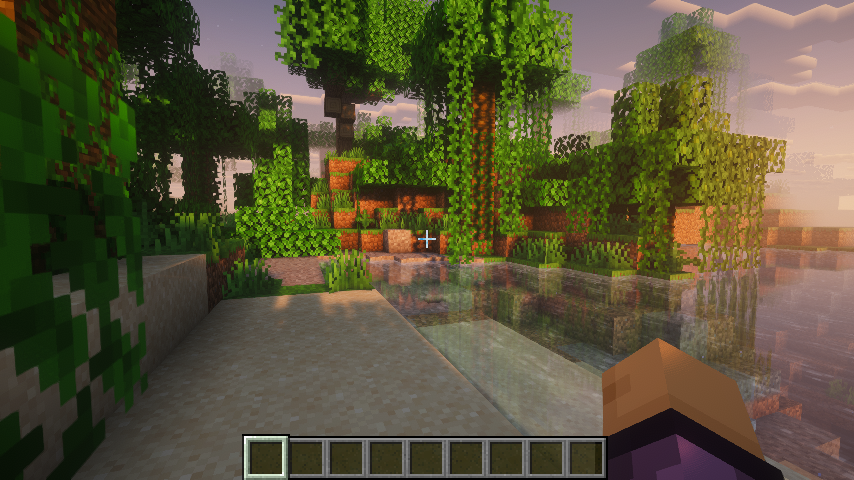
- minecraft-1.21.4-fabric-iris-complementary-unbound-in-world: captured from Minecraft 1.21.4 Fabric with Sodium,
Iris, and Complementary Unbound after entering a singleplayer world.
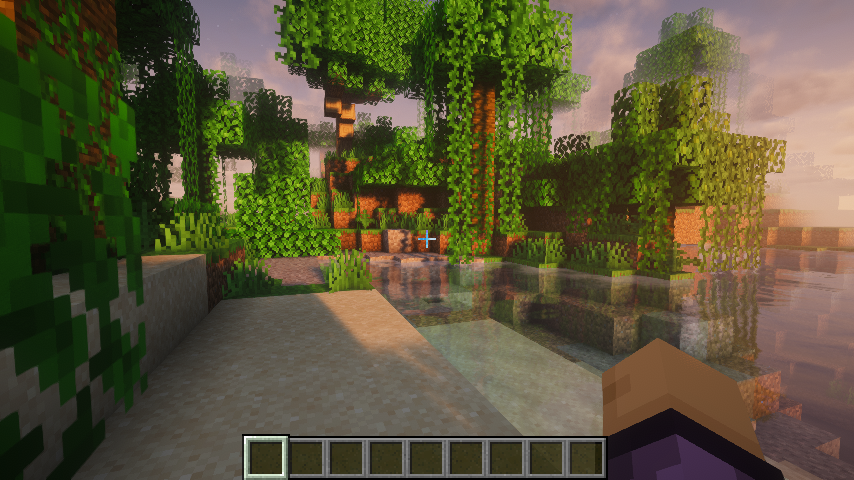
- minecraft-1.21.4-fabric-iris-mellow-in-world: captured from Minecraft 1.21.4 Fabric with Sodium, Iris, and Mellow
after entering a singleplayer world.
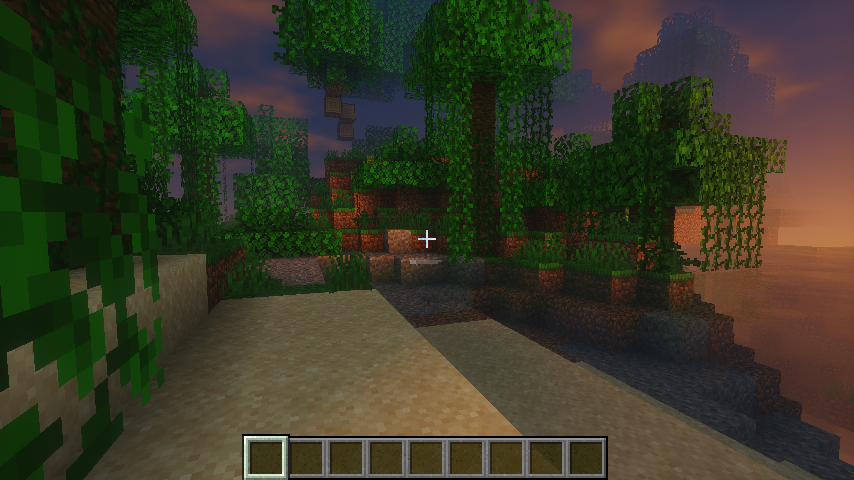
- minecraft-1.21.4-fabric-iris-nostalgia-in-world: captured from Minecraft 1.21.4 Fabric with Sodium, Iris, and
Nostalgia after entering a singleplayer world.
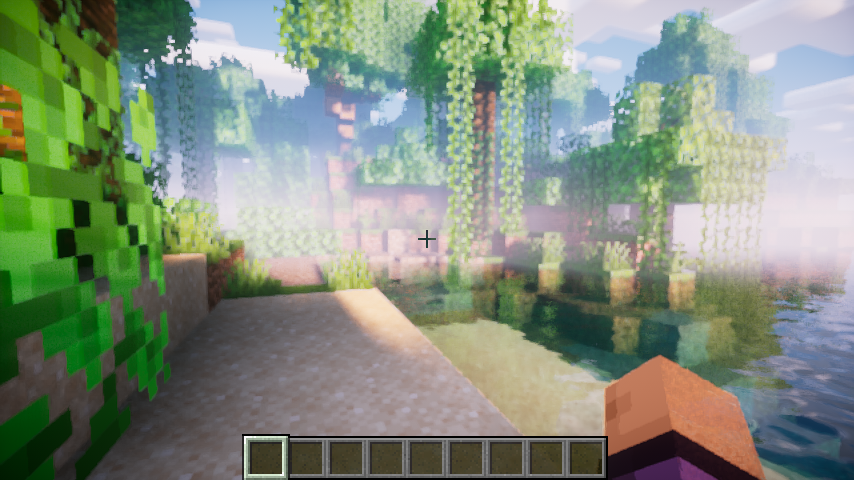
- minecraft-1.21.4-fabric-iris-bliss-in-world: captured from Minecraft 1.21.4 Fabric with Sodium, Iris, and Bliss
after entering a singleplayer world.
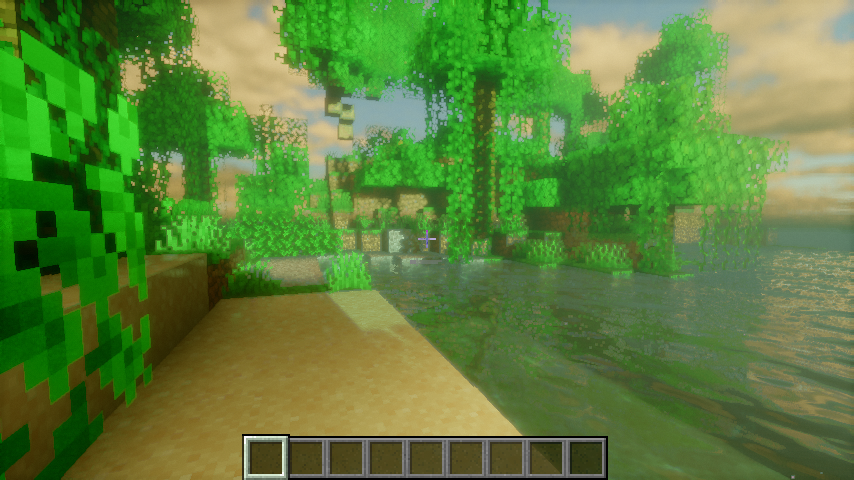
- minecraft-1.21.4-fabric-iris-chocapic-v6-lite-in-world: captured from Minecraft 1.21.4 Fabric with Sodium, Iris, and
Chocapic V6 Lite after entering a singleplayer world.
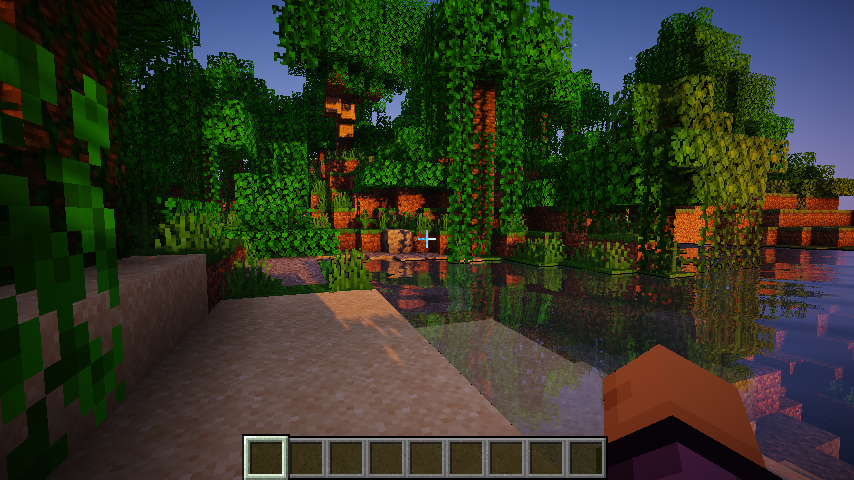
- minecraft-1.21.4-fabric-iris-iterationt-in-world: captured from Minecraft 1.21.4 Fabric with Sodium, Iris, and
iterationT after entering a singleplayer world.
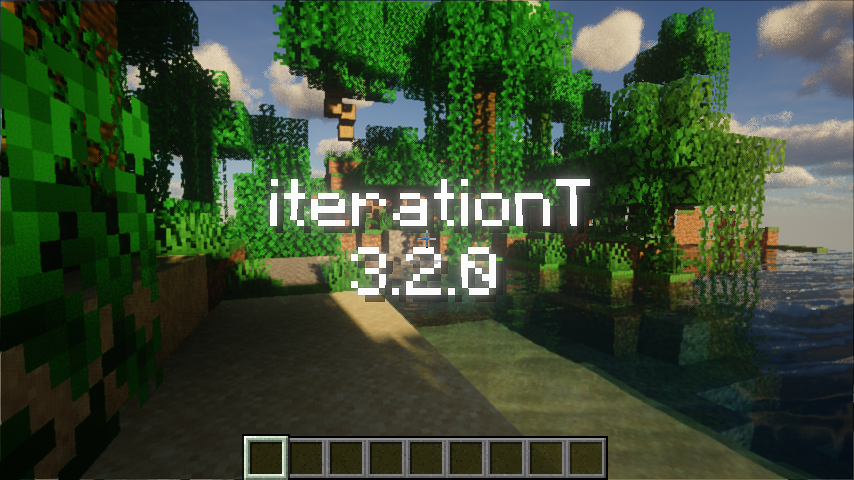
- minecraft-1.21.4-fabric-iris-iterationt-nodsa-in-world: captured from Minecraft 1.21.4 Fabric with Sodium, Iris, and
iterationT after entering a singleplayer world, with Iris' DSA path disabled.
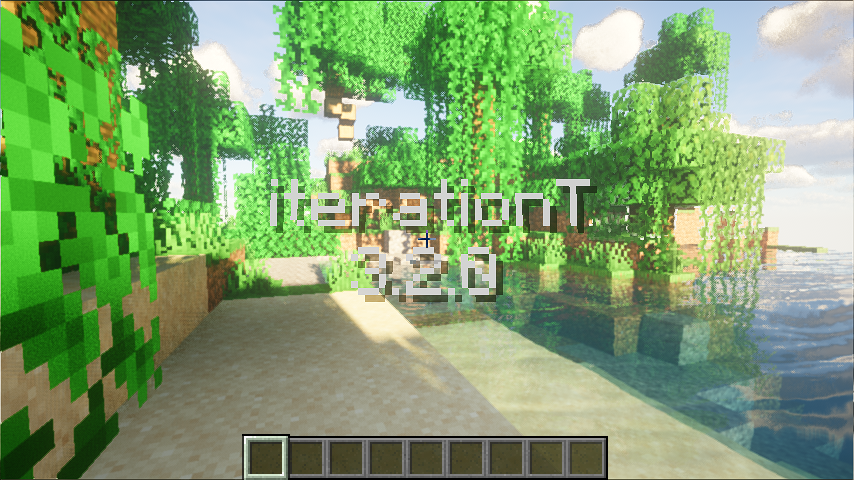
- minecraft-1.21.4-fabric-iris-iterationrp-in-world: captured from Minecraft 1.21.4 Fabric with Sodium, Iris, and
iterationRP after entering a singleplayer world, framing the iterationRP name overlay over a lake with far-shore
tree reflections. iterationRP's temporal auto-exposure makes a single-frame trim overexpose and drop the overlay,
so the fixture is a prefix trace (all calls up to the target frame) that replays the temporal state. The pack also
gates an NVIDIA-only shadow path (
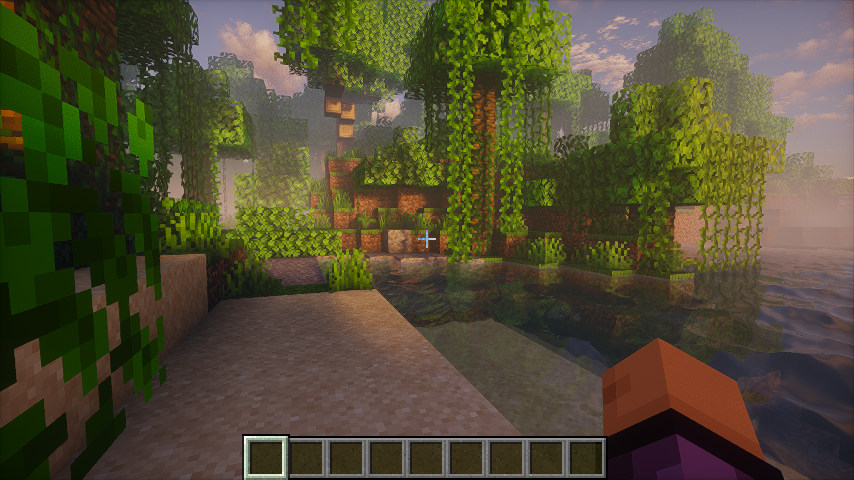
subgroupPartitionNV,GL_NV_shader_subgroup_partitioned) on the GL vendor string, so the capture reports a masked vendor and the trace carries the portablesubgroupShuffleXorpath that non-NVIDIA GPUs take. The trace archive and golden are not committed yet (the repository's Git LFS quota rejects new objects withGH009); the case stays registered and its fixture files are hydrated from the trace fixture mirror. - minecraft-1.21.4-fabric-iris-photon-v1.1-in-world: captured from Minecraft 1.21.4 Fabric with Sodium, Iris, and
Photon v1.1 after entering a singleplayer world.
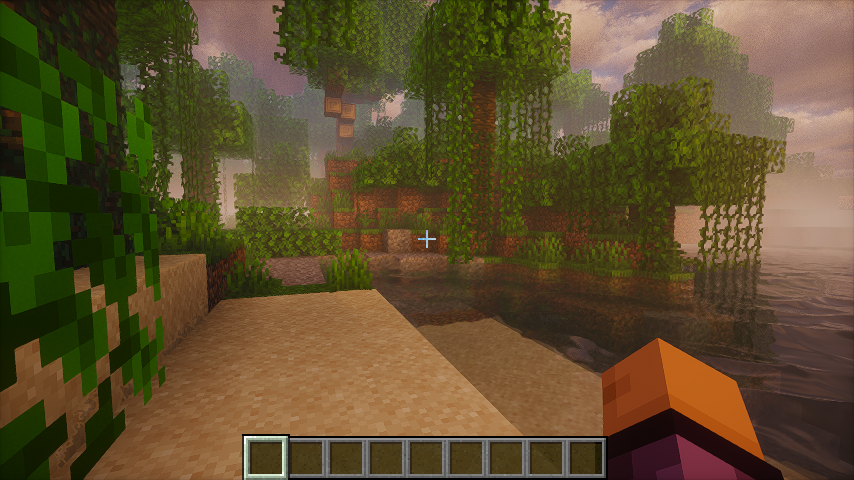
- minecraft-1.21.4-fabric-iris-photon-v1.3b-in-world: captured from Minecraft 1.21.4 Fabric with Sodium, Iris, and
Photon v1.3b after entering a singleplayer world.
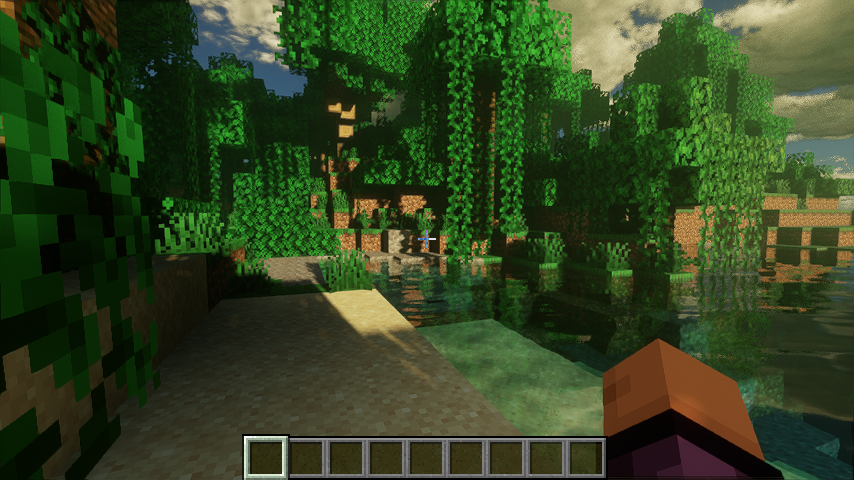
- minecraft-1.21.4-fabric-iris-derivative-main-d24.4.14-in-world: captured from Minecraft 1.21.4 Fabric with Sodium,
Iris, and Derivative Main d24.4.14 after entering a singleplayer world.
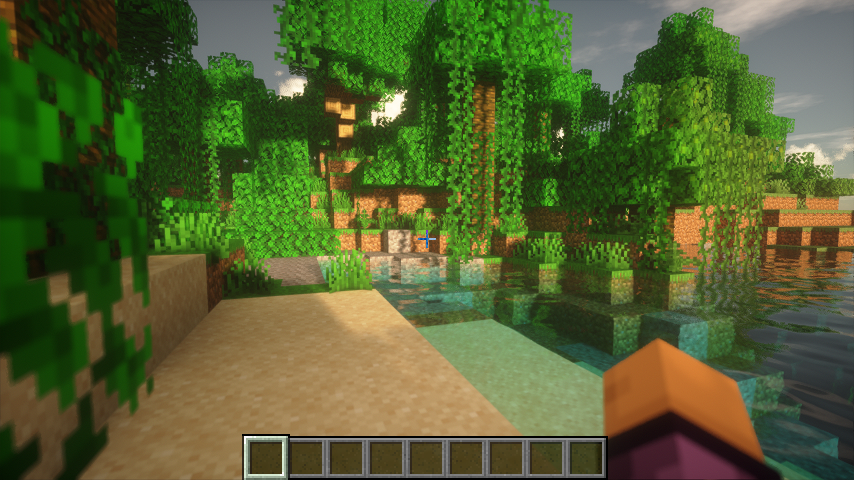
- minecraft-1.21.4-fabric-iris-sundial-lite-in-world: captured from Minecraft 1.21.4 Fabric with Sodium, Iris, and
Sundial Lite after entering a singleplayer world.
- minecraft-1.21.1-neoforge-create-indirect-in-world: captured from Minecraft 1.21.1 NeoForge with Create, Sodium,
and Iris (no shader pack) in a world facing Create water wheels and a large cogwheel, with Flywheel's
flywheel:indirectbackend (compute-shader culling, glMultiDrawElementsIndirect, persistent-mapped staging).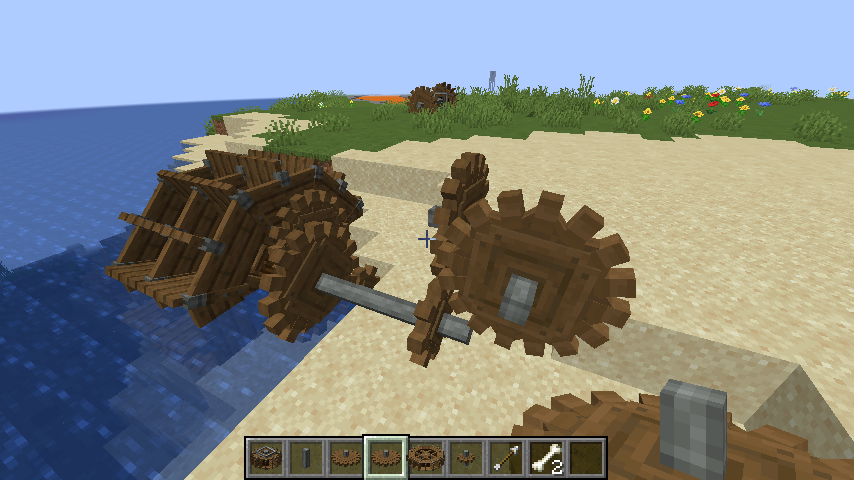
- minecraft-1.21.1-neoforge-create-instancing-in-world: same world and camera as the indirect case, with Flywheel's
flywheel:instancingbackend (texture-buffer instance data, glDrawElementsInstancedBaseVertex).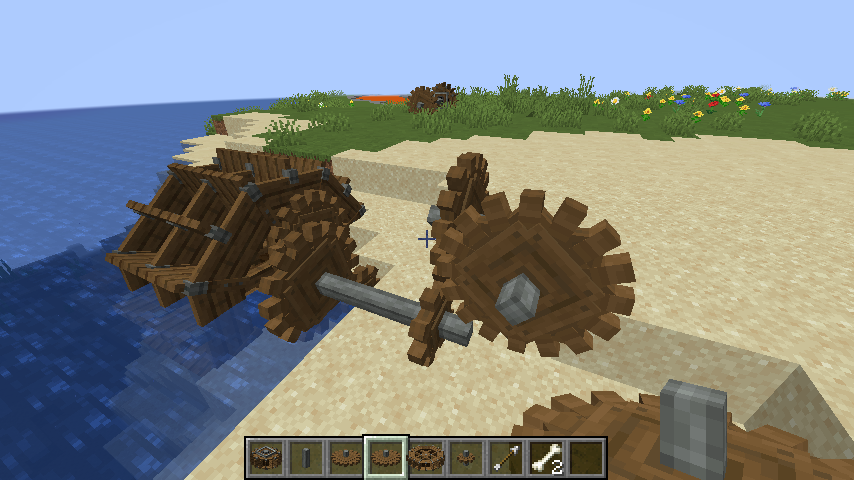


Build from the MobileGL repository root:
cmake -S . -B build-test -G Ninja \
  -DMOBILEGL_BUILD_TEST=ON \
  -DMOBILEGL_BUILD_BENCHMARK=OFF \
  -DMOBILEGL_BUILD_TRACE_REPLAY=ON
cmake --build build-test
Run the fixture tests:
ctest --test-dir build-test -V -R 'MobileGLTraceReplay\.'
Run the CLI directly:
build-test/tools/trace_replay/mobilegl_trace_replay \
  --trace openra.trace \
  --golden openra.0000031249.png \
  --output out/openra \
  --backend DirectGLES \
  --mobilegl-library build-test/libMobileGL.so \
  --target-call 31249 \
  --width 640 \
  --height 480 \
  --crop-x 1 \
  --crop-y 1 \
  --crop-width 638 \
  --crop-height 478 \
  --ssim-threshold 0.99
Dumping framebuffer attachments mid-frame
--target-call snapshots one framebuffer. To see inside a frame - which
intermediate render target a pass actually produced - pass
--dump-fbo-attachments CALL:DIR[:FBO,FBO,...], repeatably:
build-test/tools/trace_replay/mobilegl_trace_replay \
  --trace trace.trace --golden golden.png --output out --target-call 2667619 \
  --dump-fbo-attachments 2666231:out/fbos-before \
  --dump-fbo-attachments 2666232:out/fbos-after
At each call boundary it walks every live framebuffer object (or only the named
ones), reads back every colour attachment and the depth attachment, and writes
fbo<N>-att<M>.png / fbo<N>-depth.png plus a manifest.txt line per
attachment recording the attached object, size, internal format, component type
and per-channel min/max/mean and a content hash. Attachments are read as floats
whatever their storage, so HDR accumulation buffers stay legible in the
statistics even though the PNG has to clamp.
The manifest is the useful part when comparing two drivers: dump the same call
on both stacks and diff/paste the two manifests, and the first attachment
whose hash differs names the pass that diverged. Read-side and pixel-pack state
is saved and restored, so the replay continues unperturbed; without the flag
nothing is installed and the replay is byte-for-byte what it was.
Run the macOS native-window DirectVulkan retrace matrix and render the same HTML overview shape as CI:
cmake -S . -B cmake-build-macos-trace-arm64 -G Ninja \
  -DCMAKE_BUILD_TYPE=Release \
  -DCMAKE_OSX_ARCHITECTURES=arm64 \
  -DMOBILEGL_BUILD_TEST=OFF \
  -DMOBILEGL_BUILD_BENCHMARK=OFF \
  -DMOBILEGL_BUILD_TRACE_REPLAY=ON
cmake --build cmake-build-macos-trace-arm64 --target MobileGL mobilegl_trace_replay
python3 tools/trace_replay/run_macos_window_retrace_local.py --ci --all
open .trace-work/macos-window-retrace-summary/mobilegl-macos-window-vulkan-retrace-overview.html
The macOS runner hydrates missing fixtures from the trace fixture mirror with
parallel downloads before falling back to Git LFS. It reuses the
cmake-build-macos-trace-arm64 harness by default on Apple Silicon, passes
--window-surface, and defaults to DirectVulkan only. If a native-window replay
hits a fatal assertion, the runner writes a failure result and stops before
launching later cases; use --continue-after-fatal to collect the full matrix,
or --skip-case NAME for known fatal cases.
Android device replay
Build and install the generic trace APK from the repository root. Both
DirectGLES and DirectVulkan use the same APK and package; select the
backend with the intent's backend extra.
gradle --no-daemon -p android-plugin :app:assembleTraceDebug
TRACE_APK=$(find android-plugin/app/build/outputs/apk/trace/debug -maxdepth 1 -name '*.apk' -print -quit)
adb install -r "$TRACE_APK"
Prepare a fixture and copy it into the app-private directory:
mkdir -p /tmp/mobilegl-openra
tar -xzf tools/trace_replay/fixtures/openra.tgz -C /tmp/mobilegl-openra
adb push /tmp/mobilegl-openra/openra.trace /data/local/tmp/mobilegl-openra.trace
adb push tools/trace_replay/fixtures/openra.0000031249.png /data/local/tmp/mobilegl-openra.golden.png

PKG=top.mobilegl.plugin.trace
APP_DIR=/data/user/0/$PKG/files/trace-replay
adb shell run-as $PKG rm -rf files/trace-replay
adb shell run-as $PKG mkdir -p files/trace-replay/input files/trace-replay/output
adb shell run-as $PKG cp /data/local/tmp/mobilegl-openra.trace files/trace-replay/input/openra.trace
adb shell run-as $PKG cp /data/local/tmp/mobilegl-openra.golden.png files/trace-replay/input/openra.golden.png
Launch the standalone trace runner Activity:
adb shell am force-stop $PKG
adb shell am start -W -a top.mobilegl.plugin.TRACE_REPLAY \
  -n $PKG/top.mobilegl.plugin.trace.TraceReplayActivity \
  --es trace_path $APP_DIR/input/openra.trace \
  --es golden_path $APP_DIR/input/openra.golden.png \
  --es output_dir $APP_DIR/output \
  --es diff_path $APP_DIR/output/openra-diff.png \
  --es backend DirectGLES \
  --el target_call 31249 \
  --ei width 640 \
  --ei height 480 \
  --ei crop_x 1 \
  --ei crop_y 1 \
  --ei crop_width 638 \
  --ei crop_height 478 \
  --es ssim_threshold 0.99
Read back the result and images:
adb shell run-as $PKG cat files/trace-replay/output/result.json
adb exec-out run-as $PKG cat files/trace-replay/output/actual.png > openra-actual.png
adb exec-out run-as $PKG cat files/trace-replay/output/openra-diff.png > openra-diff.png
For Vulkan replay, keep the same APK and $PKG, then pass
--es backend DirectVulkan. DirectGLES also renders to the Activity surface by
default; pass --ez use_pbuffer true to use the offscreen pbuffer path. Always
adb shell am force-stop $PKG before another replay: apitrace snapshot state is
process-local. For cases registered with coherent_as_flush (Flywheel-style
unflushed persistent maps, e.g. the Create fixtures), pass
--ez coherent_as_flush true so the replay runs with
MOBILEGL_COHERENT_AS_FLUSH=1.
Reproducing the Android DirectGLES lane on Linux (ANGLE on lavapipe)
The APK workflow's DirectGLES lane is not the same stack as the Linux one, which is why a case can be green here and red there:
| lane | stack |
|---|---|
Linux Test retrace, DirectGLES |
Espryt -> Mesa GLES -> llvmpipe |
Android APK retrace, DirectGLES |
Espryt -> ANGLE -> Mesa Vulkan (lavapipe) |
Android APK retrace, DirectVulkan |
Magma -> lavapipe (no ANGLE) |
Only the Android DirectGLES lane puts ANGLE in the middle, so an ANGLE translation difference shows up in exactly one of the six combinations. That stack can be reproduced on Linux without an emulator, which is far faster to iterate on than a CI round trip. The Android emulator SDK ships a glibc ANGLE:
ANGLE=$ANDROID_SDK_ROOT/emulator/lib64/gles_angle
mkdir -p ~/angle-farm && cd ~/angle-farm
# MobileGL dlopens these two names; ANGLE's own libEGL then dlopens the
# unsuffixed libGLESv2.so from the same directory - without that symlink it
# loads a truncated entry-point table and dies on a missing EGL function.
ln -sf $ANGLE/libEGL.so    libEGL_angle.so
ln -sf $ANGLE/libGLESv2.so libGLESv2_angle.so
ln -sf $ANGLE/libEGL.so    libEGL.so
ln -sf $ANGLE/libGLESv2.so libGLESv2.so
ln -sf $ANGLE/libvulkan.so.1 libvulkan.so.1   # else eglInitialize fails

MOBILEGL_USE_ANGLE=1 \
LD_LIBRARY_PATH=~/angle-farm:/path/to/build/ \
VK_ICD_FILENAMES=/usr/share/vulkan/icd.d/lvp_icd.json \
ANGLE_DEFAULT_PLATFORM=vulkan \
  ./mobilegl_trace_replay --trace trace.trace --golden golden.png \
    --target-call N --width 854 --height 480 --backend DirectGLES \
    --output outdir --pbuffer-surface
ANGLE_DEFAULT_PLATFORM=vulkan is required: ANGLE otherwise picks its OpenGL
backend and you get ANGLE (Mesa, llvmpipe ..., OpenGL 4.6 (Core Profile))
instead of the CI-shaped ANGLE (Mesa, Vulkan 1.x (llvmpipe ...)). Check
MOBILEGL_TRACE_GL_RENDERER in outdir/retrace.log before trusting a result.
Run the binary directly rather than through ctest, whose ENVIRONMENT
property overrides these variables. Build with clang, not gcc: gcc rejects
GLXImpl.cpp under -Wchanges-meaning.
improved-transparency-minecraft-26.3 on the ANGLE lane
This case has never passed on the Android DirectGLES lane. It renders correctly everywhere else, including Android DirectVulkan on the same emulator. The rendered frame loses the whole translucent layer - clouds and water are absent while opaque geometry is pixel-exact - so the compositing chain never receives the translucent content rather than blending it wrongly.
It is two defects in the ESSL we generate, and both are ours. Replaying the
fixture through the recipe above and through Mesa GLES, with a
MOBILEGL_LOG_LEVEL_DEBUG build, gives SSIM 1.000000 on Mesa and 0.970127 on
ANGLE while the frontend call stream is byte-identical - 2698222 calls, same
names, same order, same arguments, the only difference being how often the app
polls glClientWaitSync. That comparison is what misled the earlier
investigation: it is the app-to-MobileGL direction. It says nothing about the
GLES and ESSL MobileGL emits downwards, which is where the two lanes part.
Two shaders that MobileGL generates fail to compile on ANGLE and link no program at all, so every draw that uses them is a silent no-op:
| # | ANGLE compile error | what it is | what disappears |
|---|---|---|---|
| A | 0:2: 'GL_EXT_texture_buffer' : extension is not supported then 'isamplerBuffer' : Illegal use of reserved word |
the cloud vertex shader emits #extension GL_EXT_texture_buffer : require and uniform highp isamplerBuffer CloudFaces unconditionally |
clouds |
| B | '[' : array indexes for fragment outputs must be constant integral expressions |
the OIT coefficient fragment shader declares layout(location = 0) out highp vec4 coeff[2]; and writes coeff[attachmentIndex][i] from a loop |
the whole translucent accumulation |
Neither is an ANGLE mistranslation:
- A is a capability gap we do not guard. Minecraft 26.3 builds clouds
entirely from
gl_VertexIDplustexelFetchon a buffer texture (glTexBuffer(GL_TEXTURE_BUFFER, GL_R8I, ...)). Mesa GLES advertisesGL_EXT_texture_bufferandGL_OES_texture_buffer; the ANGLE in the local farm advertises neither (142 extensions against Mesa's 162), and MobileGL's reportedGL_MAX_TEXTURE_BUFFER_SIZEdrops to the 65536 default because it cannot query one. We emit therequireline anyway. - B is a GLSL ES rule we violate. Fragment output arrays must be indexed with constant integral expressions; SPIRV-Cross hands us a loop-variable index and Mesa's compiler accepts it, ANGLE does not. Any strict ES driver rejects this shader, so it is not ANGLE-specific in principle - it is Mesa's leniency that hides it on the Linux lane.
The local ANGLE is not the CI ANGLE - check before attributing
This trap cost a full round of analysis, so check it first. The Linux farm
recipe above uses the emulator SDK's ANGLE; the Android lane uses a pinned
build downloaded by apk.yml (MOBILEGL_TRACE_ANGLE_VARIANT, default
ec889e6ea831). They are far apart:
| local farm ANGLE | CI lane ANGLE | |
|---|---|---|
GL_RENDERER |
ANGLE (Mesa, Vulkan 1.4.354 (llvmpipe ...), llvmpipe-26.1.4) |
ANGLE (Mesa, Vulkan 1.3.0 (llvmpipe ...), Mesa-25.2.4) |
| extensions | 142 | 184 |
GL_EXT_texture_buffer / GL_OES_texture_buffer |
absent | present, GL_MAX_TEXTURE_BUFFER_SIZE 134217728 |
| ES 3.2 core base vertex | no | yes |
So defect A cannot be what fails on CI - it is an artefact of the older
local ANGLE. The CI frame nevertheless loses clouds and water with the same
signature (ssim=0.968845 against the local farm's 0.970127, opaque geometry
exact), and defect B is the remaining named cause: the coefficient writer is in
the OIT phase shader that both the cloud and the translucent-terrain
programs link against, so one rejected shader empties both layers.
That last step is not yet directly confirmed on CI, because the retrace APK
is built -Pmobilegl.logLevel=MOBILEGL_LOG_LEVEL_INFO, where MGLOG_E is
compiled out - the CI mobilegl.log carries 294 INFO lines and zero ERROR
lines, so the shader-compile diagnostics never reach the artifact. Confirming it
means replaying on an emulator with a debug-level trace APK and the pinned ANGLE
variant (tools/trace_replay/run_android_retrace_local.py), or promoting
shader-compile failures to a log level that survives an INFO build.
There is therefore no honest harness accommodation: no
--avoid-angle-llvmpipe-* flag can conjure a missing extension or make an
illegal shader legal, so the fixture stays red on the Android DirectGLES lane.
Fixing it means fixing the emitters - rewriting non-constant fragment-output
indexing into a switch over constant indices, and guarding the buffer-texture
require on driver support - which is shared backend work, not harness work.
Two earlier candidates remain correctly ruled out and should not be re-walked:
per-attachment blend equations are both recorded and applied correctly on ANGLE
(glBlendEquationSeparatei with GL_MAX on one attachment reads back as GL_MAX
and rasterizes as GL_MAX), and the GLES draw-buffer slot restriction is already
handled by BackendFramebufferObject::RecomputeBackendColorSlots.
Where in the frame it goes wrong
Snapshotting the same intra-frame call points on both stacks (--target-call,
ten replays in parallel, logs to /dev/null) localises it. SSIM against the
golden at each point:
| target call | what runs there | Mesa | ANGLE | gap |
|---|---|---|---|---|
| 2667445 | last opaque draw, into FBO 29 | 0.146477 | 0.000195 | - |
| 2667488 | OIT composite: fullscreen triangle, program 50, into FBO 3 | 0.976448 | 0.945409 | 0.031 |
| 2667543 | post draw, program 56 | 0.985380 | 0.954480 | 0.031 |
| 2667595 | post draw, program 64 | 0.985685 | 0.954788 | 0.031 |
| 2667619 | golden point | 1.000000 | 0.970127 | 0.030 |
The gap opens at the composite and is then constant to four decimal places - every pass after 2667488 contributes the same increment on both drivers. So nothing downstream of the composite is implicated, and the GUI/post chain is fine. The two stacks already disagree at 2667445, before the composite runs, which points at the translucent accumulation targets the composite samples rather than at the composite draw itself.
Which attachment, and which draw
--dump-fbo-attachments on both stacks pins it to a single draw. These numbers
are from the local farm, so the first divergence they show is defect A's cloud
draw; on CI, where clouds compile, the chain instead breaks one pass later at
the coefficient accumulation. Comparing the manifests at three call boundaries,
over all 30 live framebuffers:
| call | what has just run | verdict |
|---|---|---|
| 2665649 | depth blit, before the translucent chain | every OIT target identical on both stacks |
| 2666231 | all entity/particle translucent draws done | still identical: FBO 21 att0 (texture 1554, RGBA32F) reads c1 max=178.98 mean=1.81046 on Mesa against 179 / 1.8105 on ANGLE |
| 2666232 | the cloud draw - glDrawElementsInstancedBaseVertex(count=221706) with GL_TEXTURE_BUFFER bound |
Mesa moves to c1 max=1727.87 mean=70.2899; ANGLE does not move at all |
At the golden point the same holds for the rest of the chain: texture 1555 (the
translucent colour accumulation) has mean 0.105617 on Mesa against 0.00403189 on
ANGLE, and texture 1556 (the alpha/coefficient target, FBO 26 attachment 1) is
alpha max=1.34863 mean=0.261387 on Mesa and identically zero on ANGLE -
never written, because defect B linked no program for that pass. Everything
outside the translucent chain matches: the opaque terrain, the block atlas and
its mips, and the GUI targets differ only in the last float ULP.
So the earlier reading of the SSIM bisect was right about the location and wrong about the cause. The composite at 2667488 is innocent; it faithfully composites accumulation buffers that two failed shader compiles left empty.
Reproduce with:
for stack in mesa angle; do ... --target-call 2666232 \
  --dump-fbo-attachments 2666232:out-$stack/fbos ; done
paste out-mesa/fbos/manifest.txt out-angle/fbos/manifest.txt
and read the compile errors straight out of mobilegl.log:
grep -aE 'Shader compilation failed|linking failed' out-angle/mobilegl.log
minecraft-1.21.4-fabric-iris-sundial-lite-in-world on the ANGLE lane
This case takes the emulator process down, every run, on its first attempt. It is not a timeout (it dies ~74s into a 900s budget) and it is not host memory pressure. From the retained diagnostics of run 31552175083:
-
host-dmesg.txtcontains no OOM, nooom-kill, noKilled process. -
host-memory.txtreports 11Gi of 15Gi available and 44Ki of 8Gi swap used. -
host-dmesg.txtcontains exactly two faults, both at the same moment and the same instruction:llvmpipe-1[3216]: segfault at 8 ip 00007f99296b276e error 4 llvmpipe-0[3215]: segfault at 8 ip 00007f99296b276e error 4
Those are host Mesa llvmpipe rasterizer worker threads - the emulator's own
renderer, not SwiftShader - and their death takes the emulator with them
(kvm [2665] before the fault, kvm [3554] after the restart, matching
pid_2665.ini in emulator-first-attempt.log). The faulting instruction
decodes as mov 0x13c0(%rsp,%rax,8),%rax followed by cmpl $0x0,0x8(%rax):
an indexed load out of a stack pointer-table that returned null, then a
dereference of it. That is the shape an out-of-range array index produces in a
JIT rasterizer.
Do not raise the swap allocation to match test.yml - the OOM hypothesis is
dead, and doing so would only hide the question.
The retry leg is a separate, milder failure (statusCode 5, "failed to make
current OpenGL context and drawable" after a complete capability probe) and is
deliberately not covered by the surface-lost infrastructure clause: its
retrace.log carries neither the 0x300b nor the -1000000001 marker, and its
mobilegl.log does reach OpenGL ES capabilities:. Both guards exclude it, so
the run is charged as a failure rather than retried away.